

Migraine: Causes, Symptoms, Triggers, Treatment & Prevention
Migraine: Causes, Symptoms, Triggers, Treatment & Prevention
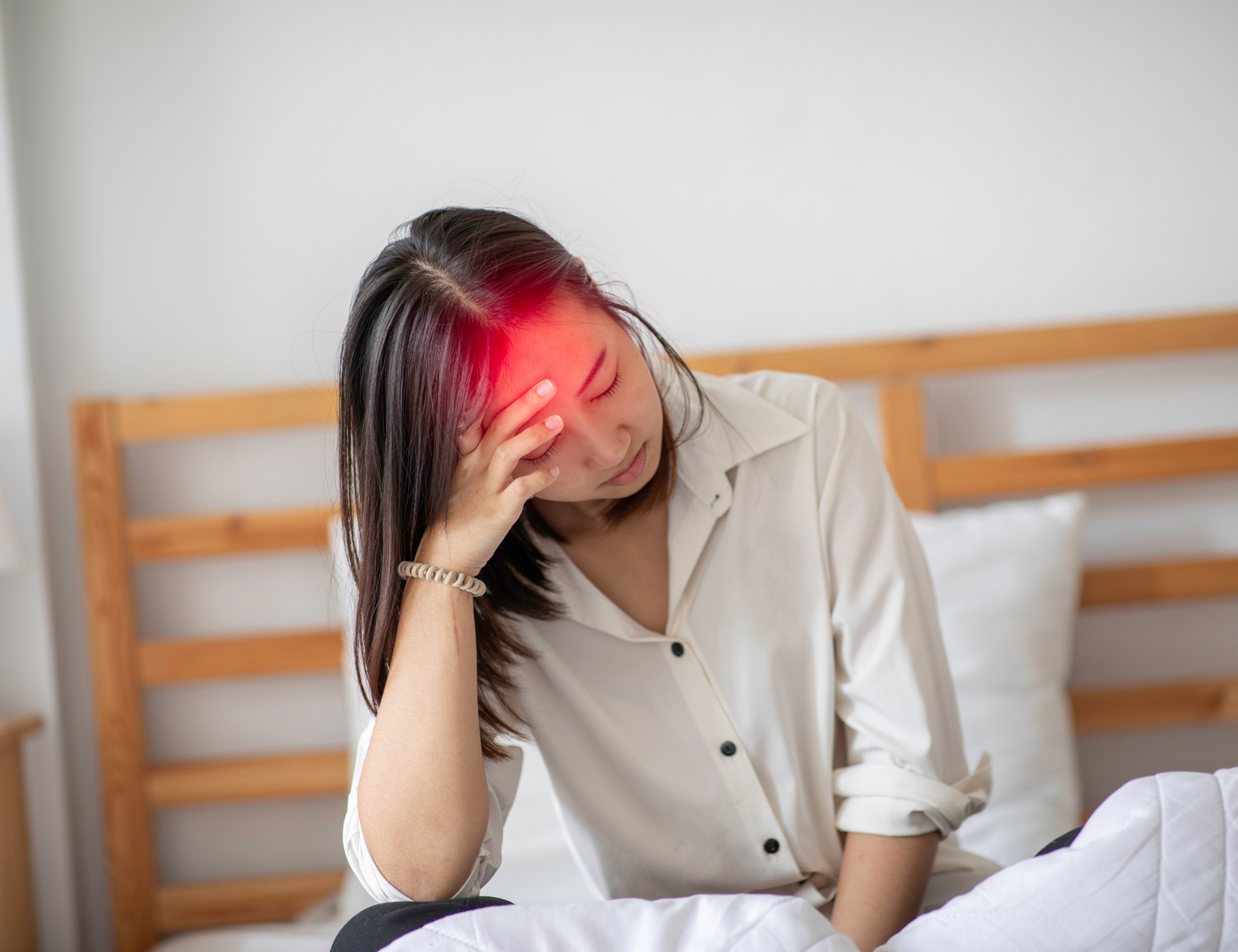
A headache can happen to anyone, but migraine is more than just a headache. It is a neurological condition that can cause moderate to severe, often throbbing or pulsating pain and may significantly affect a person's daily activities.
Migraine attacks can vary from person to person. Some people experience nausea and sensitivity to light or sound, while others may experience visual or sensory disturbances known as aura.
Understanding the symptoms, common triggers and preventive measures can help people recognize migraine early and seek appropriate medical advice.
What Is Migraine?
Migraine is a neurological disorder characterized by recurring attacks of headache and other associated symptoms.
Migraine pain commonly affects one side of the head, although it can occur on both sides. An attack may last for several hours and, in some cases, can continue for days.
Migraine is not simply a normal headache. It involves changes in the nervous system and can be influenced by genetic, environmental and lifestyle factors.
Some people experience migraine with aura, while others experience migraine without aura.
What Does a Migraine Feel Like?
Migraine symptoms can differ between individuals, but common features include:
-
Moderate to severe headache
-
Pulsating or throbbing pain
-
Pain that may affect one side of the head
-
Nausea or vomiting
-
Increased sensitivity to light
-
Sensitivity to sound
-
Sensitivity to smells
-
Pain that becomes worse with routine physical activity
-
Difficulty concentrating
-
Fatigue or tiredness
Some people may experience warning symptoms before the headache begins.
What Is Migraine Aura?
An aura refers to temporary neurological symptoms that can occur before or during a migraine attack.
Visual symptoms are among the most common and may include:
-
Flashing lights
-
Zigzag patterns
-
Bright spots
-
Blurred or distorted vision
-
Temporary blind spots
Some individuals may also experience:
-
Tingling or numbness
-
Difficulty speaking
-
Changes in sensation
Aura symptoms generally develop gradually and are temporary. However, symptoms such as sudden weakness, difficulty speaking or sudden vision changes can also occur with other serious medical conditions.
New, sudden or unusual neurological symptoms require prompt medical evaluation.
Common Symptoms of Migraine :
Migraine attacks can occur in different stages.
1. Prodrome
Some people experience symptoms hours or even a day before the headache.
Possible symptoms include:
-
Mood changes
-
Fatigue
-
Food cravings
-
Increased thirst
-
Frequent yawning
-
Difficulty concentrating
-
Neck stiffness
Not everyone experiences a prodrome.
2. Aura
Aura may occur before or during the headache and can involve visual, sensory or speech-related symptoms.
3. Headache Phase
The headache phase may involve:
-
Moderate to severe pain
-
Throbbing or pulsating sensation
-
Nausea
-
Vomiting
-
Light sensitivity
-
Sound sensitivity
-
Increased discomfort with physical activity
4. Postdrome
After the headache improves, some people may feel:
-
Tired
-
Weak
-
Confused
-
Less able to concentrate
-
Sensitive to movement
This phase is sometimes referred to as a migraine hangover.
What Causes Migraine?
The exact cause of migraine is not completely understood.
It is believed to involve interactions between genetic, neurological and environmental factors.
Some people may have a genetic tendency to develop migraine. Certain triggers can then contribute to the onset of an attack.
Common factors associated with migraine include:
-
Family history of migraine
-
Hormonal changes
-
Stress
-
Irregular sleep
-
Dehydration
-
Skipping meals
-
Certain foods or beverages
-
Bright or flashing lights
-
Strong smells
-
Changes in weather
-
Excessive physical or emotional stress
A person's migraine triggers can be very different from someone else's.
Common Migraine Triggers :
Identifying personal triggers can be an important part of migraine management.
Stress
Emotional stress and prolonged mental strain can trigger migraine attacks in some people.
Sleep Changes
Too little sleep, excessive sleep or an irregular sleep schedule may contribute to migraine.
Skipping Meals
Going long periods without eating may trigger headaches in some individuals.
Dehydration
Insufficient fluid intake can contribute to headaches and may trigger migraine in some people.
Bright Lights
Strong sunlight, flashing lights or prolonged screen exposure may act as triggers for some individuals.
Strong Smells
Perfumes, chemicals, smoke and other strong odors may trigger migraine in sensitive individuals.
Hormonal Changes
Changes in estrogen levels can influence migraine in some women, particularly around menstruation.
Certain Foods and Beverages
Some individuals report migraine after consuming specific foods or drinks. However, triggers vary significantly from person to person.
How Is Migraine Diagnosed?
There is no single laboratory test that confirms migraine.
Healthcare professionals generally diagnose migraine based on:
-
Medical history
-
Headache characteristics
-
Frequency and duration of attacks
-
Associated symptoms
-
Neurological examination
-
Family history
A healthcare professional may recommend additional tests when symptoms are unusual or when another underlying condition needs to be ruled out.
Keeping a headache diary can be useful.
Record:
-
Date and time of headache
-
Duration
-
Severity
-
Food and drinks consumed
-
Sleep pattern
-
Stress levels
-
Menstrual cycle, where relevant
-
Medications taken
-
Other symptoms
-
Possible triggers
This information can help identify patterns.
Migraine Treatment :
Migraine treatment generally focuses on two major approaches:
1. Acute Treatment
Acute or rescue treatment is used during a migraine attack to reduce symptoms.
Depending on the individual's condition, healthcare professionals may recommend medications such as:
-
Pain-relieving medicines
-
Anti-nausea medicines
-
Migraine-specific medicines
The appropriate medicine depends on factors such as the severity and frequency of attacks, other medical conditions and current medications.
Do not self-medicate frequently for recurring headaches without medical advice.
2. Preventive Treatment
Preventive treatment may be considered when migraine attacks are frequent, severe or significantly interfere with daily life.
Preventive approaches may include:
-
Prescription medicines
-
Lifestyle modifications
-
Regular sleep
-
Adequate hydration
-
Regular meals
-
Trigger management
-
Stress-management techniques
-
Other therapies recommended by a healthcare professional
The choice of preventive treatment should be individualized.
Lifestyle Measures That May Help Prevent Migraine
Lifestyle management can play an important role in reducing migraine frequency for some people.
Maintain a Regular Sleep Schedule
Try to maintain consistent sleeping and waking times.
Stay Hydrated
Drink sufficient fluids throughout the day and pay particular attention to hydration during hot weather or physical activity.
Avoid Skipping Meals
Regular, balanced meals may help prevent attacks associated with prolonged fasting or missed meals.
Manage Stress
Relaxation exercises, breathing techniques, meditation, yoga and regular physical activity may help some people manage stress.
Limit Known Triggers
If you identify a specific trigger, reducing exposure to it may help reduce attacks.
Take Screen Breaks
If prolonged screen exposure contributes to your symptoms, follow regular screen breaks and adjust screen brightness and viewing conditions.
When Should You See a Doctor?
Consult a healthcare professional if:
-
Headaches are frequent or recurring
-
Headaches are becoming more severe
-
Migraine is interfering with work or daily activities
-
Your usual headache pattern changes
-
You need pain-relieving medication frequently
-
Headaches are associated with significant nausea or vomiting
-
You experience new neurological symptoms
A healthcare professional can determine whether your symptoms are consistent with migraine and recommend an appropriate treatment plan.
When Is a Headache an Emergency ?
Not every severe headache is migraine.
Seek urgent medical attention for a headache that:
-
Starts suddenly and reaches maximum intensity very quickly
-
Occurs after a significant head injury
-
Is accompanied by new weakness or numbness
-
Causes difficulty speaking or understanding speech
-
Is associated with fainting, confusion or seizures
-
Is accompanied by significant vision loss
-
Occurs with high fever and severe neck stiffness
-
Is very different from previous headaches
These symptoms can sometimes indicate a serious medical condition and should not be assumed to be migraine.
Can Migraine Be Prevented?
Migraine cannot always be completely prevented, but identifying individual triggers and maintaining healthy routines may help reduce the frequency or severity of attacks.
A practical approach is to maintain:
Regular Sleep + Regular Meals + Adequate Hydration + Stress Management + Trigger Awareness + Medical Guidance
A headache diary can be particularly useful for identifying patterns over time.
Frequently Asked Questions About Migraine
Is migraine just a severe headache?
No. Migraine is a neurological condition that can involve headache as well as symptoms such as nausea, vomiting and sensitivity to light or sound.
Can migraine affect only one side of the head?
Yes. Migraine commonly causes pain on one side, although pain can sometimes affect both sides.
How long can a migraine attack last?
A migraine attack can last for several hours and, in some cases, may continue for days. Duration varies between individuals.
Can stress trigger migraine?
Yes. Stress is a commonly reported migraine trigger, although triggers differ between individuals.
Can dehydration cause migraine?
Dehydration can contribute to headaches and may trigger migraine attacks in some people.
Can migraine be cured permanently?
There is currently no universal permanent cure for migraine. However, appropriate treatment and lifestyle strategies can help many people reduce the frequency and severity of attacks.
Should I take painkillers every time I get a migraine?
Frequent use of acute headache medicines can itself contribute to medication-overuse headache. If you regularly need medication for headaches, consult a healthcare professional.
Final Thoughts
Migraine can significantly affect a person's personal, professional and social life, but understanding the condition is an important first step toward better management.
Recognizing early symptoms, identifying personal triggers, maintaining healthy routines and seeking appropriate medical advice can help people manage migraine more effectively.
If headaches are frequent, severe, changing in pattern or accompanied by unusual neurological symptoms, professional medical evaluation is important.
Your headache deserves attention—not just temporary relief.
Disclaimer
This article is intended for general health awareness and educational purposes only. It is not a substitute for professional medical diagnosis, treatment or medical advice. Migraine symptoms and treatment requirements can vary between individuals. Consult a qualified healthcare professional for appropriate evaluation and treatment.