

Fatty Liver in Young Adults: Causes, Symptoms, Risks & Prevention
Fatty liver disease is no longer only a concern for older adults. Increasingly, younger people are also being diagnosed with excess fat accumulation in the liver, often during routine health check-ups or abdominal ultrasound examinations.
Modern lifestyles—including sedentary work, prolonged screen time, frequent consumption of processed foods and sugary beverages, irregular eating patterns, excess body weight and metabolic problems—can increase the risk of developing fatty liver.
The good news is that fatty liver, particularly when identified early, can often be improved through appropriate lifestyle changes and management of underlying metabolic risk factors.
What Is Fatty Liver?
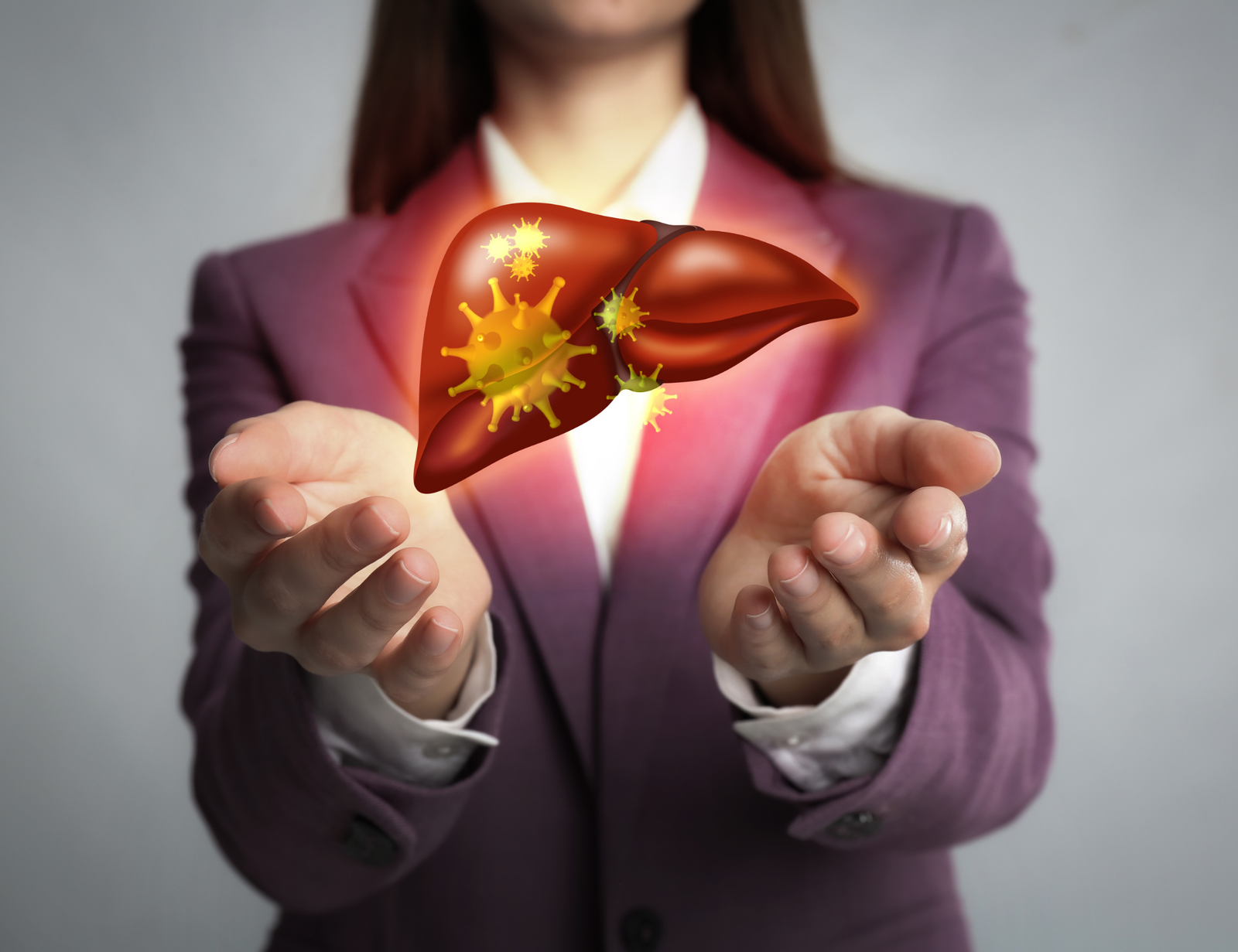
Fatty liver occurs when excess fat accumulates inside the liver.
The condition was traditionally referred to as Non-Alcoholic Fatty Liver Disease (NAFLD). The term Metabolic Dysfunction-Associated Steatotic Liver Disease (MASLD) is now increasingly used for fatty liver associated with metabolic risk factors.
Fatty liver can range from relatively simple fat accumulation to a more serious form involving inflammation and liver damage.
Two important stages include:
1. Simple Fatty Liver
Fat accumulates in the liver without significant inflammation or liver damage. This is sometimes referred to as metabolic dysfunction-associated steatotic liver (MASL).
2. MASH
Some people develop inflammation and liver-cell injury in addition to fat accumulation. This condition is known as Metabolic Dysfunction-Associated Steatohepatitis (MASH).
Persistent inflammation may lead to fibrosis (scarring), and advanced fibrosis can eventually progress to cirrhosis and other serious liver complications.
Why Is Fatty Liver Becoming a Concern Among Young People?
Fatty liver can occur at any age, including in children and young adults. While age is one factor associated with risk, metabolic health, body composition, genetics and lifestyle can play important roles.
Young adults may spend long periods sitting at work, studying or using computers and smartphones. At the same time, physical activity may be limited and diets may contain significant amounts of refined carbohydrates, high-calorie foods and sugar-sweetened beverages.
These factors can contribute to weight gain, insulin resistance, abnormal blood lipids and metabolic syndrome—all of which are associated with increased fatty liver risk.
Major Causes of Fatty Liver in the Young Generation
1. Excess Body Weight and Obesity
One of the strongest risk factors for metabolic fatty liver disease is being overweight or having obesity.
Excess energy intake can lead to increased fat storage in the body. When metabolic regulation becomes impaired, excess fat can also accumulate in the liver.
Importantly, fatty liver can also occur in people who do not appear overweight, so body weight alone does not determine whether someone is at risk.
2. Sedentary Lifestyle
A sedentary lifestyle is increasingly common among younger adults.
Long working hours, desk jobs, online entertainment, gaming and prolonged smartphone use can reduce daily physical activity.
Low physical activity can contribute to:
- Weight gain
- Insulin resistance
- Poor metabolic health
- Increased abdominal fat
- Abnormal cholesterol and triglyceride levels
Regular physical activity can support metabolic health and may benefit people with fatty liver even when significant weight loss does not occur.
3. Excessive Sugar and Sugary Beverages
Frequent consumption of sugar-sweetened beverages, desserts and highly processed foods can contribute to excessive calorie intake.
Particular attention has been given to diets high in fructose and added sugars because of their potential relationship with fatty liver and metabolic dysfunction.
Common examples include:
- Soft drinks
- Sweetened packaged beverages
- Energy drinks
- Excessive packaged juices
- Sweetened tea and coffee
- Cakes and pastries
- Biscuits and cookies
- Sweets and desserts
The problem is not one particular food consumed occasionally; rather, regular excessive intake combined with overall poor dietary patterns and low physical activity can increase metabolic risk.
4. Frequent Fast Food and Highly Processed Foods
Modern diets can contain substantial amounts of:
- Fried foods
- Fast food
- Processed snacks
- Refined carbohydrates
- High-calorie desserts
- Foods high in saturated fat
- Large portion sizes
Regularly consuming more calories than the body needs can contribute to weight gain and metabolic dysfunction.
A balanced diet emphasizing vegetables, fruits, whole grains and healthier sources of unsaturated fats can support better metabolic health.
5. Insulin Resistance and Prediabetes
Insulin resistance occurs when the body's cells respond less effectively to insulin.
It can be associated with:
- Increased abdominal fat
- Prediabetes
- Type 2 diabetes
- High triglycerides
- High blood pressure
- Metabolic syndrome
- Fatty liver
Insulin resistance is therefore an important metabolic factor to consider when evaluating fatty liver in younger adults.
6. High Cholesterol and Triglycerides
Abnormal blood lipid levels may occur alongside fatty liver.
Particularly relevant metabolic abnormalities include:
- High triglycerides
- High LDL cholesterol
- Low HDL cholesterol
- High total cholesterol
These abnormalities can occur as part of a broader pattern of metabolic dysfunction.
7. Alcohol Consumption
Alcohol is a separate and important cause of fatty liver.
Regular excessive alcohol consumption can cause alcohol-associated liver disease, which can also progress from fatty liver to inflammation, fibrosis and cirrhosis.
Therefore, when someone is found to have fatty liver, healthcare professionals consider alcohol intake as well as metabolic and other possible causes.
8. Rapid Weight Loss and Poor Nutrition
Fatty liver is not caused only by overeating.
Rapid weight loss, severe nutritional deficiencies and malnutrition can also contribute to abnormal fat accumulation in the liver.
For this reason, crash diets and extreme weight-loss methods should be avoided.
If weight loss is recommended, gradual and sustainable weight management is generally preferred.
9. Certain Medicines and Medical Conditions
Some medicines and medical conditions can also contribute to fat accumulation in the liver.
Examples can include certain:
- Corticosteroids
- HIV treatments
- Estrogen-containing medicines
- Cancer medicines
Other rare causes include certain genetic disorders, lipodystrophies and exposure to specific toxins.
Therefore, fatty liver should not automatically be attributed to diet or obesity without appropriate medical evaluation.
10. Genetics and Family Risk
Genetic factors can influence an individual's susceptibility to fatty liver.
This means that two people with similar diets and body weights may not have exactly the same risk.
Family history and an individual's overall metabolic health can therefore be relevant when assessing fatty liver risk.
Can a Thin or Fit-Looking Young Person Have Fatty Liver ?
Yes.
Fatty liver is not exclusively a disease of people with obesity.
Some individuals with a normal BMI can develop metabolic fatty liver because of factors such as:
- Insulin resistance
- Abnormal blood lipids
- Genetics
- Dietary patterns
- Low physical activity
- Abdominal fat
- Other metabolic factors
Therefore, appearance alone cannot determine whether someone has a healthy liver.
Symptoms of Fatty Liver
One of the biggest challenges with fatty liver is that many people have few or no symptoms.
It may be discovered incidentally during:
- Routine blood tests
- Abdominal ultrasound
- Health check-ups
- Evaluation of diabetes or obesity
- Investigation of abnormal liver enzymes
When symptoms occur, they may include:
- Persistent tiredness or fatigue
- General weakness
- Discomfort in the upper-right abdomen
- A feeling of fullness or discomfort around the liver area
However, the absence of symptoms does not necessarily mean that the liver is healthy.
How Is Fatty Liver Diagnosed ?
A doctor may use a combination of medical history, physical examination, blood tests and imaging.
Common evaluation methods include:
1. Medical history
A healthcare professional may ask about:
- Weight changes
- Diet
- Physical activity
- Alcohol consumption
- Diabetes
- Blood pressure
- Cholesterol
- Triglycerides
- Family history
- Current medicines
2. Blood tests
Liver enzymes and other blood parameters may be evaluated.
3. Ultrasound
An abdominal ultrasound may detect fat accumulation in the liver.
4. Elastography / FibroScan
Depending on the clinical situation, specialized tests may be used to assess liver stiffness and help evaluate fibrosis.
5. Additional investigations
In selected cases, doctors may recommend additional tests to determine the cause of liver disease or assess the severity of liver damage.
Diagnosis should therefore be based on clinical evaluation rather than a single symptom or test result.
Why Should Young Adults Take Fatty Liver Seriously ?
Fatty liver may initially cause little or no discomfort, but some individuals can develop progressive liver disease.
The more concerning pathway is:
Fat accumulation ? Inflammation ? Fibrosis ? Advanced fibrosis ? Cirrhosis
Not everyone with fatty liver follows this pathway, and progression varies between individuals.
However, when inflammation and fibrosis develop, the long-term risk of serious liver complications increases. Advanced liver disease can eventually lead to cirrhosis and may increase the risk of liver cancer and liver failure.
Fatty liver is also closely connected with metabolic health, including obesity, insulin resistance, type 2 diabetes, abnormal blood lipids and cardiovascular risk factors.
How Can Young People Reduce Their Risk of Fatty Liver ?
The most important approach is to improve overall metabolic health.
1. Maintain a Healthy Weight
If you are overweight or have obesity, gradual weight reduction may reduce liver fat.
Research summarized by NIDDK indicates that losing around 3–5% of body weight may reduce liver fat, while greater weight loss may be needed to improve inflammation and fibrosis in appropriate patients.
Avoid crash diets and rapid weight-loss programs.
2. Exercise Regularly
Aim to make physical activity a consistent part of your lifestyle.
Useful activities include:
- Brisk walking
- Cycling
- Swimming
- Jogging
- Strength training
- Sports
- Other activities that you can maintain regularly
Physical activity can benefit fatty liver even without substantial weight loss.
3. Reduce Sugary Drinks
One of the easiest lifestyle changes is to reduce frequent consumption of:
- Soft drinks
- Sugary beverages
- Sweetened coffee
- Sweetened tea
- Energy drinks
- High-sugar packaged beverages
Choose water or other unsweetened beverages more often.
4. Follow a Balanced Diet
A healthy eating pattern can include:
- Vegetables
- Whole fruits
- Whole grains
- Pulses and legumes
- Appropriate portions of protein
- Nuts and seeds in suitable portions
- Healthier unsaturated fats
Limit excessive intake of highly processed foods, saturated fats, added sugars and calorie-dense foods.
5. Avoid Excessive Alcohol
If you drink alcohol, discuss your intake with a healthcare professional, particularly if fatty liver has already been detected.
Alcohol can contribute independently to liver injury and may coexist with metabolic fatty liver disease.
7 Everyday Habits That Can Support Liver Health
1. Eat balanced meals
Prioritize vegetables, whole grains, pulses and appropriate portions.
2. Move more
Break up long periods of sitting with regular movement.
3. Reduce sugary drinks
Make water and unsweetened beverages your routine choices.
4. Maintain a healthy weight
If overweight, aim for gradual and sustainable weight management.
5. Exercise consistently
Combine aerobic activity with strength training where appropriate.
6. Limit highly processed foods
Keep fast food, fried snacks and high-calorie processed foods occasional rather than routine.
7. Don't ignore abnormal test results
If liver enzymes, blood sugar, cholesterol or triglycerides are abnormal, discuss them with a healthcare professional.
When Should You See a Doctor ?
Consider medical evaluation if you:
- Have been told that an ultrasound shows fatty liver
- Have persistently abnormal liver enzymes
- Have diabetes or prediabetes
- Have obesity or significant abdominal weight gain
- Have high triglycerides or cholesterol
- Have high blood pressure along with other metabolic risk factors
- Regularly consume significant amounts of alcohol
- Experience persistent fatigue or upper-right abdominal discomfort
- Have a family history of significant liver disease
A healthcare professional can determine whether further testing is appropriate.
Can Fatty Liver Be Reversed ?
In many people, especially when detected early, lifestyle and metabolic interventions can significantly improve liver fat.
For people who are overweight or have obesity, gradual weight loss can reduce liver fat and may improve inflammation and fibrosis. Regular physical activity and dietary improvements are also important.
However, treatment depends on the individual's cause and the stage of liver disease.
Do not start medicines, herbal products or supplements specifically for fatty liver without medical advice. Some supplements and herbal products can themselves cause liver injury.
The Bottom Line
Fatty liver is not just an "older person's problem."
Young adults can also develop fatty liver due to a combination of excess calorie intake, sedentary lifestyle, abdominal obesity, insulin resistance, diabetes, abnormal cholesterol or triglycerides, alcohol consumption, genetic susceptibility and other medical factors.
The condition can remain silent for years, which is why maintaining a healthy lifestyle and addressing metabolic risk factors early is important.
A healthy liver starts with healthy daily habits: balanced nutrition, regular physical activity, healthy weight management, limited sugary beverages, responsible alcohol choices and appropriate medical check-ups.
If you have been diagnosed with fatty liver, don't panic—but don't ignore it either. Early evaluation and appropriate lifestyle changes can make a meaningful difference to long-term liver health.
Frequently Asked Questions
Is fatty liver common in young adults?
Fatty liver can occur at any age, including among young adults and children. Metabolic risk factors such as obesity, insulin resistance and type 2 diabetes can increase the likelihood of developing the condition.
Can a person with normal weight have fatty liver?
Yes. Fatty liver can occur in people who are not overweight. Genetic and metabolic factors, diet, physical activity and abdominal fat can all contribute to risk.
Does fatty liver always cause symptoms?
No. Many people have no noticeable symptoms and may discover fatty liver during routine testing or imaging.
Is fatty liver caused only by eating oily food?
No. Fatty liver has multiple possible causes. Metabolic dysfunction, obesity, insulin resistance, diabetes, abnormal blood lipids, alcohol consumption, certain medicines, genetics and other medical conditions may contribute.
Can exercise help fatty liver?
Yes. Regular physical activity can improve metabolic health and can benefit fatty liver, including when significant weight loss does not occur.
Can fatty liver turn into cirrhosis?
Some people with fatty liver develop inflammation and fibrosis, and advanced fibrosis can progress to cirrhosis. However, not everyone with fatty liver develops advanced liver disease.
Should I take supplements for fatty liver?
Do not start supplements or herbal products specifically for fatty liver without discussing them with a healthcare professional. Some supplements and herbal remedies can cause liver injury.
Medical Disclaimer
This article is intended for general educational and awareness purposes only. It is not a substitute for professional medical advice, diagnosis or treatment. Fatty liver can have different causes and degrees of severity. If you have symptoms, abnormal liver tests, an ultrasound showing fatty liver, diabetes, obesity or other risk factors, consult a qualified healthcare professional for appropriate evaluation and management. Do not start, stop or change any medicine or supplement without medical advice.