

HDL vs LDL Cholesterol: What Is the Difference?
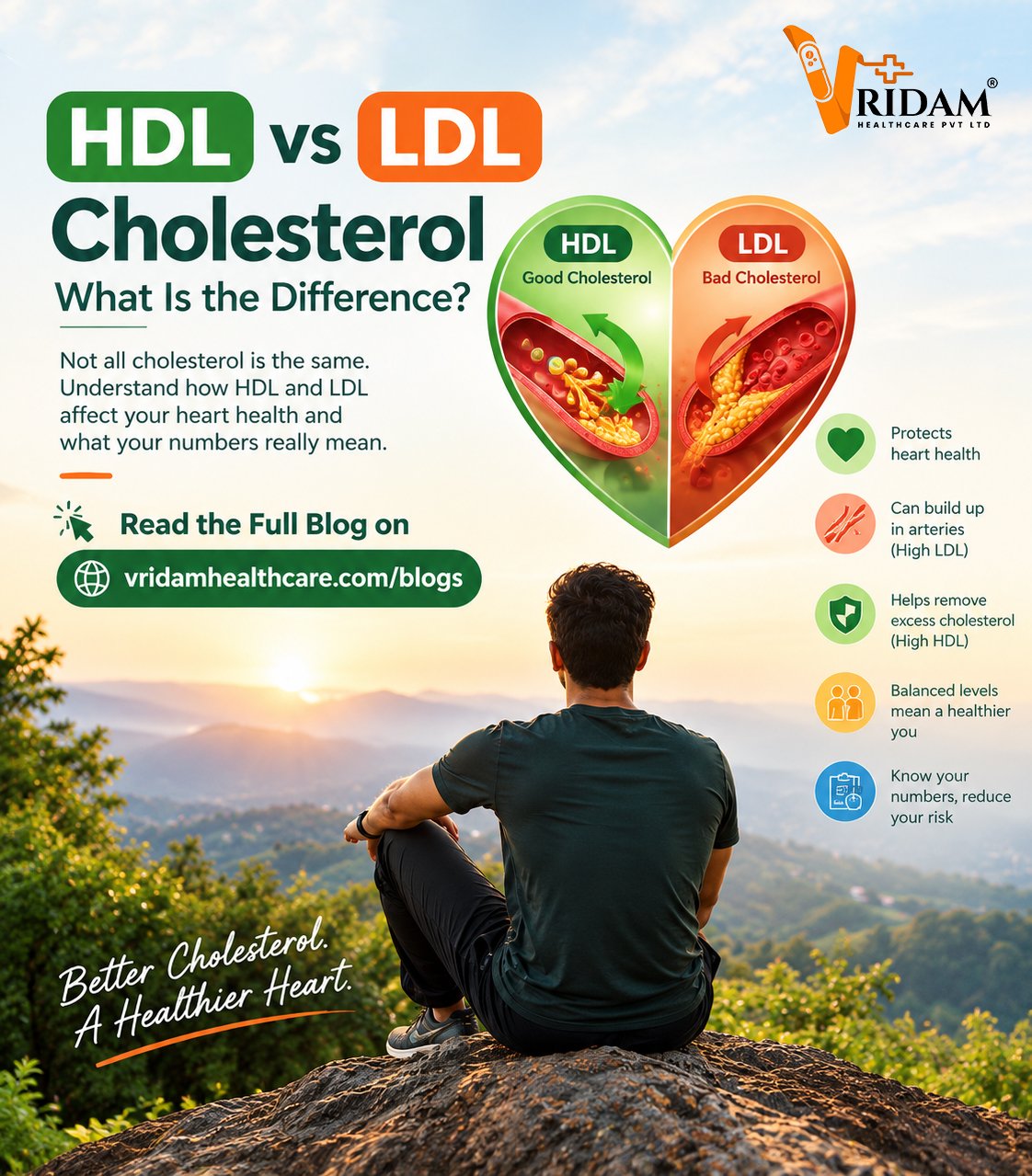
HDL vs LDL Cholesterol: What Is the Difference?
Cholesterol is an essential substance that plays an important role in several functions of the body, including hormone production, cell membrane formation and the production of bile acids. However, having too much cholesterol in the blood—particularly LDL cholesterol—can increase the risk of cardiovascular problems.
Two cholesterol-related terms you commonly hear are HDL and LDL. They are often called “good” and “bad” cholesterol, but the actual difference is more nuanced.
What Is Cholesterol?
Cholesterol is a waxy, fat-like substance produced naturally by the liver. The body needs cholesterol to function properly, but it does not dissolve in blood on its own. It is transported through the bloodstream by particles called lipoproteins.
The two major types are:
- HDL – High-Density Lipoprotein
- LDL – Low-Density Lipoprotein
Understanding how these lipoproteins work can help you better understand your cholesterol report and overall heart health.
What Is LDL Cholesterol?
LDL stands for Low-Density Lipoprotein. It carries cholesterol from the liver to different parts of the body.
LDL is commonly referred to as “bad cholesterol” because excessive LDL cholesterol can contribute to the buildup of fatty deposits inside arteries.
Over time, this buildup can narrow or stiffen the arteries, a process known as atherosclerosis. This may interfere with normal blood flow and increase cardiovascular risk.
High LDL cholesterol is associated with an increased risk of conditions such as:
- Coronary artery disease
- Heart attack
- Stroke
- Peripheral artery disease
However, LDL is not inherently harmful. Your body needs cholesterol for normal biological functions. The concern is having excessive levels or an unfavorable overall cardiovascular risk profile.
What Is HDL Cholesterol?
HDL stands for High-Density Lipoprotein.
It is commonly called “good cholesterol” because HDL participates in the transportation of excess cholesterol away from tissues and toward the liver, where it can be processed and removed from the body.
Generally, having adequate HDL levels is considered beneficial for cardiovascular health.
However, it is important to understand that HDL should not be viewed in isolation. A high HDL level does not automatically eliminate the risks associated with high LDL, triglycerides, high blood pressure, diabetes or other cardiovascular risk factors.
HDL vs LDL: Key Differences
| Feature | HDL | LDL |
|---|---|---|
| Full form | High-Density Lipoprotein | Low-Density Lipoprotein |
| Common name | “Good” cholesterol | “Bad” cholesterol |
| Main role | Helps transport excess cholesterol toward the liver | Transports cholesterol to tissues |
| Excess levels | Generally not considered the primary cholesterol-related risk | Can contribute to plaque formation |
| Heart-health focus | Adequate levels are generally favorable | Lower levels are generally preferred |
| Lifestyle influence | Physical activity, diet and other factors can influence levels | Diet, genetics, weight and lifestyle can influence levels |
Why Is High LDL a Concern?
When LDL levels are elevated, cholesterol can accumulate within artery walls. This can contribute to the development of atherosclerotic plaque.
As plaque builds up, arteries may become narrower and less flexible. If a plaque ruptures, a blood clot can form and potentially block blood flow.
Depending on the affected blood vessel, this may lead to serious events such as a heart attack or stroke.
This is why LDL cholesterol is an important component of cardiovascular risk assessment.
Why Is HDL Considered Beneficial?
HDL participates in reverse cholesterol transport, a process through which cholesterol can be transported from peripheral tissues back toward the liver.
This is one reason HDL has traditionally been described as protective or “good” cholesterol.
However, simply increasing HDL numbers is not necessarily the goal of cholesterol treatment. Modern cardiovascular risk assessment focuses on the complete lipid profile and the individual's overall risk rather than treating HDL as an independent target.
What Is a Healthy Cholesterol Level?
There isn't one cholesterol number that is considered ideal for everyone.
A lipid profile may include:
- Total cholesterol
- LDL cholesterol
- HDL cholesterol
- Triglycerides
- Non-HDL cholesterol
The appropriate LDL target can vary depending on factors such as:
- Previous heart disease
- Previous stroke
- Diabetes
- Blood pressure
- Smoking
- Kidney disease
- Family history
- Overall cardiovascular risk
Therefore, your doctor may recommend a different LDL target depending on your individual health profile.
Do not interpret a cholesterol report based on a single number alone.
How Can You Improve Your Cholesterol Profile?
Healthy lifestyle habits can play an important role in maintaining healthy cholesterol levels.
1. Choose Heart-Healthy Foods
Consider including more:
- Vegetables and fruits
- Whole grains
- Beans and legumes
- Nuts and seeds
- Fiber-rich foods
- Sources of unsaturated fats
At the same time, limit excessive intake of foods high in saturated and trans fats.
2. Stay Physically Active
Regular physical activity can support cardiovascular health and may positively influence your lipid profile.
Aim for consistent physical activity according to your fitness level and your healthcare professional's recommendations.
3. Maintain a Healthy Weight
If you are overweight, even moderate weight reduction can improve several cardiovascular risk factors, including cholesterol and triglyceride levels.
4. Avoid Smoking
Smoking damages blood vessels and significantly increases cardiovascular risk. Quitting smoking is one of the most important steps you can take for heart health.
5. Limit Excessive Alcohol Consumption
Excessive alcohol intake can negatively affect triglycerides and overall health. If you drink alcohol, moderation is important.
6. Manage Other Health Conditions
Conditions such as diabetes, hypertension and kidney disease can influence cardiovascular risk. Managing these conditions is an important part of maintaining heart health.
Can Diet Lower LDL Cholesterol?
Yes. Dietary changes can help reduce LDL cholesterol in many people.
Some useful approaches include increasing dietary fiber and replacing foods high in saturated fats with healthier unsaturated-fat sources.
Examples include:
- Oats and other whole grains
- Beans and lentils
- Fruits and vegetables
- Nuts
- Seeds
- Fish
- Plant-based sources of unsaturated fats
However, diet alone may not be sufficient for everyone. Genetics, medical conditions and existing cardiovascular disease can have a substantial effect on cholesterol levels.
Does High HDL Cancel Out High LDL?
No.
This is a common misconception.
Having a higher HDL level does not mean that elevated LDL is harmless. LDL and HDL represent different aspects of lipid metabolism, and cardiovascular risk depends on the overall picture.
If your LDL cholesterol is high, discuss the result with your healthcare professional even if your HDL is also high.
HDL vs LDL: Which One Is More Important?
Both are important, but LDL is a particularly important treatment target for reducing atherosclerotic cardiovascular disease risk.
Instead of focusing only on whether your HDL is “good” or LDL is “bad,” it is better to consider your complete lipid profile along with your other risk factors.
Your healthcare professional may assess:
LDL + HDL + triglycerides + blood pressure + blood sugar + smoking status + family history + existing cardiovascular disease
to determine your overall cardiovascular risk.
When Should You Get Your Cholesterol Checked?
Routine cholesterol testing can help identify abnormal lipid levels before symptoms develop.
You may particularly benefit from discussing cholesterol testing with your healthcare professional if you have:
- A family history of heart disease or high cholesterol
- Diabetes
- High blood pressure
- Obesity or overweight
- A history of smoking
- Previous cardiovascular disease
- Other conditions that increase cardiovascular risk
The frequency of testing depends on your age, health status, previous results and overall risk.
Frequently Asked Questions
Is HDL good cholesterol?
HDL is commonly called “good cholesterol” because it participates in transporting cholesterol from tissues toward the liver. However, HDL levels should be interpreted as part of the overall cardiovascular risk profile.
Is LDL bad cholesterol?
LDL is commonly called “bad cholesterol” because elevated LDL can contribute to cholesterol accumulation in artery walls and increase cardiovascular risk.
Can I have high HDL and high LDL at the same time?
Yes. HDL and LDL are separate measurements, so it is possible to have both elevated. High HDL does not eliminate the cardiovascular risk associated with elevated LDL.
Can exercise improve cholesterol?
Regular physical activity can support a healthier lipid profile and overall cardiovascular health. The effect varies between individuals.
Can cholesterol be high without symptoms?
Yes. High cholesterol often does not cause noticeable symptoms. A blood test is generally required to identify abnormal cholesterol levels.
Should I stop cholesterol medicine if my cholesterol improves?
No. Do not stop or change prescribed cholesterol medication without discussing it with your healthcare professional. Cholesterol levels may improve because the treatment is working.
The Bottom Line
HDL and LDL are both lipoproteins that transport cholesterol through the bloodstream, but they have different roles. HDL is generally associated with cholesterol transport back toward the liver, while elevated LDL can contribute to plaque formation in the arteries.
Rather than focusing on one number, maintaining a healthy cholesterol profile requires looking at your LDL, HDL, triglycerides, overall cardiovascular risk and lifestyle factors together.
A balanced diet, regular physical activity, maintaining a healthy weight, avoiding tobacco and managing conditions such as diabetes and high blood pressure can all contribute to better heart health.
If you have abnormal cholesterol results or other cardiovascular risk factors, consult a qualified healthcare professional for an individualized assessment and treatment plan.
Disclaimer: This article is intended for general educational purposes only and should not be considered a substitute for professional medical advice, diagnosis or treatment. Do not start, stop or change any medication based solely on this information.