

Diabetes Management
Diabetes is a chronic condition in which blood glucose (blood sugar) levels remain higher than normal because the body does not produce enough insulin, does not use insulin effectively, or both. If blood glucose remains uncontrolled over time, diabetes can affect the heart, kidneys, eyes, nerves, and blood vessels.
Effective diabetes management is not based on medicines alone. Medication, nutrition, physical activity, regular monitoring, adequate sleep, and other healthy lifestyle habits can all play important roles in maintaining better blood glucose control.
What Is Diabetes?
Diabetes occurs when the body cannot properly regulate blood glucose.
The major types include:
1. Type 1 Diabetes
Type 1 diabetes occurs when the immune system attacks the insulin-producing beta cells of the pancreas. People with type 1 diabetes require insulin therapy to survive.
2. Type 2 Diabetes
Type 2 diabetes is the most common form. It is associated with insulin resistance and progressive reduction in insulin production. Management may involve lifestyle changes, oral medicines, injectable medicines, and/or insulin depending on the individual's condition.
3. Gestational Diabetes
Gestational diabetes develops during pregnancy. Blood glucose usually returns toward normal after delivery, but women who develop gestational diabetes have an increased risk of developing type 2 diabetes later in life.
The Role of Medicines in Diabetes Management
Diabetes medicines help control blood glucose through different mechanisms. The appropriate medicine depends on the type of diabetes, blood glucose levels, other medical conditions, age, lifestyle, and individual treatment goals.
Some commonly used categories include:
Metformin
Metformin is commonly used in the management of type 2 diabetes. It primarily helps reduce glucose production by the liver and improves insulin sensitivity.
Sulfonylureas
Medicines in this class stimulate the pancreas to release insulin. Because they can cause hypoglycemia (low blood glucose), they should be used according to medical advice.
DPP-4 Inhibitors
These medicines help increase insulin release when blood glucose is elevated and reduce the release of glucagon, thereby helping control blood glucose.
SGLT2 Inhibitors
SGLT2 inhibitors reduce glucose reabsorption in the kidneys, allowing some glucose to leave the body through urine. Certain medicines in this class may also provide cardiovascular and kidney benefits in appropriate patients.
GLP-1 Receptor Agonists
These medicines can improve blood glucose control and may also promote weight loss. Some agents have demonstrated cardiovascular benefits in appropriate patients.
Insulin
People with type 1 diabetes require insulin. Some people with type 2 diabetes may also need insulin when other treatments do not provide adequate glucose control or when clinically indicated.
Important: Diabetes medicines should only be started, stopped, or changed under the guidance of a qualified healthcare professional.
The Role of Lifestyle in Diabetes Management
Lifestyle modification is an important part of diabetes care, particularly for people with type 2 diabetes.
1. Follow a Balanced Diet
A diabetes-friendly eating pattern generally emphasizes:
- Vegetables and other high-fiber foods
- Whole grains and minimally processed foods
- Appropriate portions of protein
- Healthy sources of fats
- Limited added sugars
- Appropriate portion sizes
Rather than completely eliminating carbohydrates, it is generally more useful to focus on carbohydrate quality, quantity, and distribution throughout the day.
2. Stay Physically Active
Regular physical activity can improve insulin sensitivity and help the body use glucose more effectively.
Activities may include:
- Brisk walking
- Cycling
- Swimming
- Strength training
- Other activities appropriate to the individual's fitness level
Adults with diabetes are generally encouraged to reduce prolonged periods of sitting and incorporate regular movement throughout the day.
People who have complications or other health conditions should discuss an appropriate exercise plan with their healthcare professional.
3. Maintain a Healthy Weight
For people with overweight or obesity and type 2 diabetes, even modest weight loss can improve blood glucose control and metabolic health.
Weight-management goals should be realistic and individualized.
4. Monitor Blood Glucose
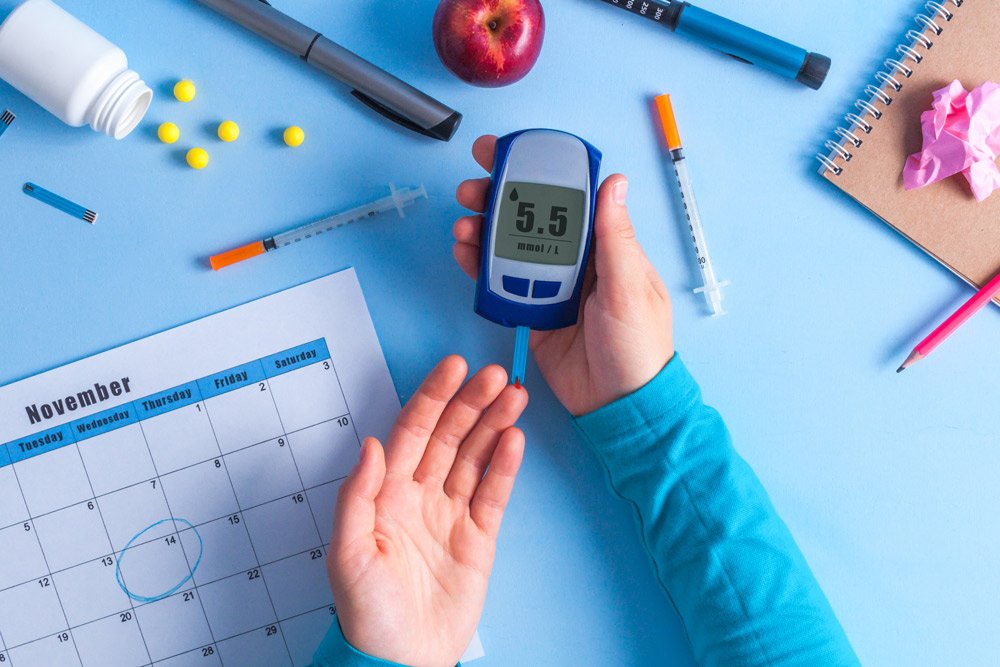
Regular glucose monitoring can help patients and healthcare professionals understand how food, physical activity, medicines, illness, and other factors affect blood glucose.
Depending on the treatment plan, monitoring may involve:
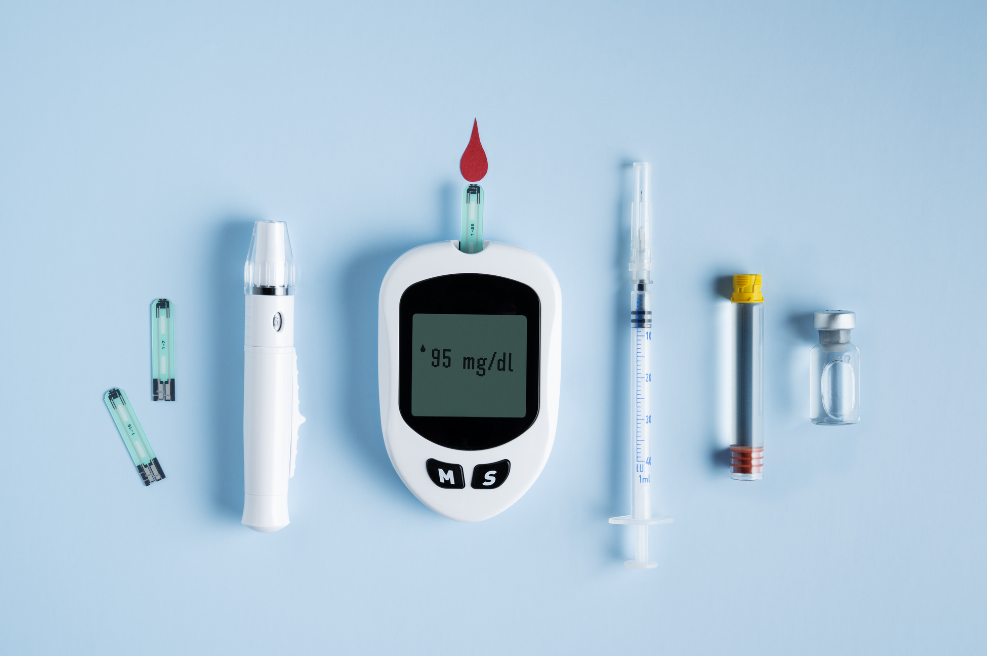
- Blood glucose meters
- Continuous glucose monitoring (CGM)
- HbA1c testing
5. Get Adequate Sleep
Poor sleep can affect appetite, insulin sensitivity, blood glucose regulation, and overall health.
Maintaining a consistent sleep schedule and aiming for adequate quality sleep can support diabetes management.
6. Avoid Tobacco and Limit Alcohol
Smoking increases cardiovascular risk, which is already elevated in people with diabetes.
Alcohol can also affect blood glucose and may increase the risk of hypoglycemia when combined with certain diabetes medicines or insulin. Anyone with diabetes who drinks alcohol should discuss safe consumption with their healthcare professional.
Why Regular Check-Ups Matter
Diabetes management involves more than checking blood glucose.
Regular medical follow-up may include assessment of:
- HbA1c
- Blood pressure
- Cholesterol
- Kidney function
- Eye health
- Foot health
- Cardiovascular risk
Early identification of complications can allow appropriate treatment and preventive measures.
Can Diabetes Be Prevented?
Type 1 diabetes currently cannot generally be prevented.
However, type 2 diabetes can often be delayed or prevented in people at high risk through measures such as maintaining a healthy weight, regular physical activity, and a balanced eating pattern.
People with prediabetes should discuss appropriate screening and preventive strategies with a healthcare professional.
The Importance of a Personalized Diabetes Plan
There is no single diabetes-management plan that works equally well for everyone.
A suitable treatment strategy depends on factors such as:
- Type of diabetes
- Age
- Duration of diabetes
- Blood glucose and HbA1c levels
- Weight
- Kidney and liver function
- Cardiovascular health
- Other medicines
- Lifestyle and dietary preferences
For this reason, diabetes treatment should be individualized and regularly reviewed by a qualified healthcare professional.
Conclusion
Effective diabetes management involves a combination of appropriate medical treatment and sustainable lifestyle habits. Medicines can help control blood glucose, while balanced nutrition, regular physical activity, healthy weight management, adequate sleep, monitoring, and regular medical check-ups can support overall health.
The goal is not simply to control blood sugar but to reduce the risk of long-term complications and support a healthier quality of life.
Vridam Healthcare is committed to supporting better healthcare through quality pharmaceutical solutions and increased awareness about responsible medicine use.
Medical Disclaimer: This article is intended for general educational purposes only and should not be considered a substitute for professional medical advice, diagnosis, or treatment. Always consult a qualified healthcare professional before starting, stopping, or changing any medicine or treatment plan.