

Children's Eye Health: Warning Signs Every Parent Should Know
Children's Eye Health: Warning Signs Every Parent Should Know
Healthy vision plays a vital role in a child's growth, learning, and overall development. From recognizing faces to reading books and participating in classroom activities, good eyesight helps children explore the world with confidence. However, many eye problems in children develop gradually and may go unnoticed because young children often assume everyone sees the way they do.
As a parent, understanding the early warning signs of eye problems can help ensure timely diagnosis and treatment, preventing long-term vision issues. In this article, we'll discuss common signs of eye problems in children, possible causes, preventive measures, and when it's time to consult an eye care professional.
Why Is Eye Health Important in Children?
Nearly 80% of a child's learning during the early years is visual. Healthy eyes contribute to:
- Better learning and academic performance
- Improved hand-eye coordination
- Healthy physical development
- Better social interaction
- Increased confidence and independence
Undetected vision problems may affect a child's ability to read, write, play sports, and interact with others.
Common Warning Signs Every Parent Should Watch For
1. Frequent Eye Rubbing
Children may rub their eyes occasionally due to tiredness. However, frequent rubbing without being sleepy could indicate:
- Eye strain
- Dry eyes
- Allergies
- Refractive errors (need for glasses)
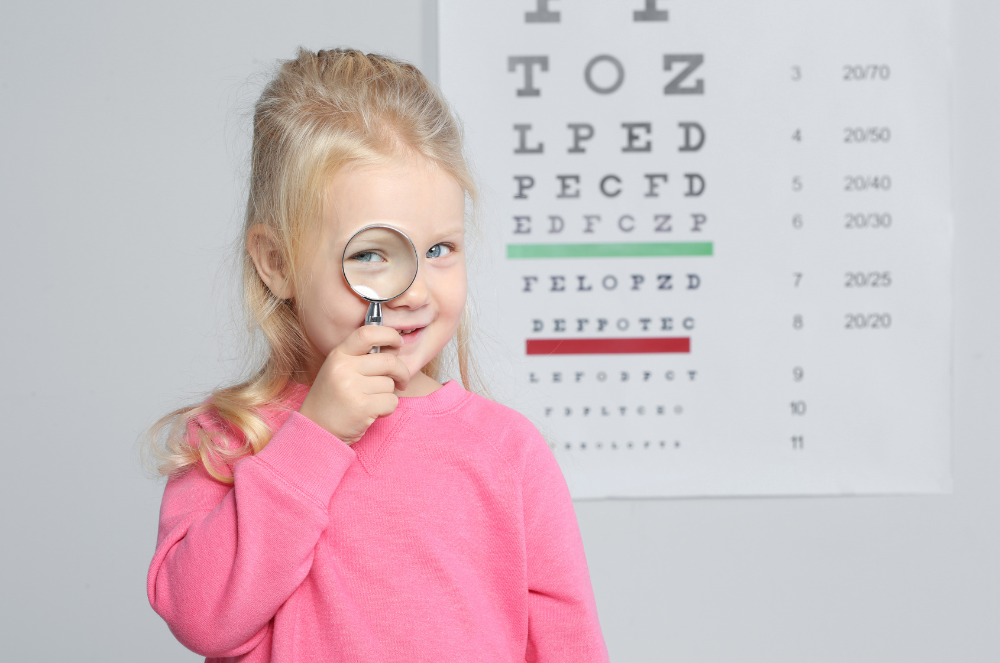
2. Squinting While Looking at Objects
If your child frequently squints while watching television, reading, or looking at distant objects, they may have difficulty focusing due to:
- Nearsightedness (Myopia)
- Farsightedness (Hyperopia)
- Astigmatism
3. Sitting Too Close to the Television or Holding Devices Very Near
Children who consistently move closer to screens or books may be struggling to see clearly. This could be an early sign of vision problems that require professional evaluation.
4. Frequent Headaches
Recurring headaches, especially after reading or screen time, can sometimes result from uncorrected vision problems or excessive eye strain.
5. Excessive Tearing or Watery Eyes
Watery eyes may occur due to:
- Eye irritation
- Allergies
- Blocked tear ducts
- Eye infections
Persistent watering should always be evaluated by an eye specialist.
6. Redness or Eye Discharge
Persistent redness, swelling, or discharge may indicate:
- Bacterial conjunctivitis
- Viral eye infections
- Allergic conjunctivitis
- Eye irritation
Early treatment helps prevent complications and reduces the risk of spreading infections.
7. Sensitivity to Light
Children who avoid bright lights or complain about sunlight hurting their eyes may have an underlying eye condition that requires medical attention.
8. Poor Performance at School
Sometimes vision problems appear as learning difficulties. Signs include:
- Losing place while reading
- Difficulty copying from the board
- Poor concentration
- Avoiding reading activities
An eye examination should be considered before assuming academic challenges are unrelated to vision.
9. Tilting the Head While Looking at Objects
Constant head tilting may indicate that a child is trying to compensate for poor vision or misaligned eyes.
10. Eyes That Do Not Appear Aligned
If one eye consistently turns inward or outward after infancy, it may indicate strabismus (eye misalignment). Early treatment is important to prevent amblyopia (lazy eye).
Common Eye Problems in Children
Some frequently diagnosed eye conditions include:
- Refractive errors (myopia, hyperopia, astigmatism)
- Lazy eye (Amblyopia)
- Crossed eyes (Strabismus)
- Conjunctivitis (Pink Eye)
- Allergic eye disease
- Blocked tear ducts
- Dry eyes
- Digital eye strain
How Parents Can Help Protect Their Child's Vision
Simple daily habits can support healthy eyesight:
- Schedule routine eye examinations.
- Encourage outdoor play every day.
- Limit unnecessary screen time.
- Follow the 20-20-20 Rule during digital device use (every 20 minutes, look at something 20 feet away for 20 seconds).
- Ensure proper lighting while reading and studying.
- Provide a balanced diet rich in Vitamin A, Vitamin C, Omega-3 fatty acids, lutein, and zinc.
- Teach children not to rub their eyes frequently.
- Maintain proper hand hygiene to reduce the spread of eye infections.
Foods That Support Healthy Vision
A nutritious diet contributes to healthy eye development. Include foods such as:
- Carrots
- Spinach
- Kale
- Sweet potatoes
- Eggs
- Fish (rich in Omega-3)
- Citrus fruits
- Almonds
- Pumpkin
- Bell peppers
When Should You Visit an Eye Doctor?
Consult an ophthalmologist or pediatric eye specialist if your child experiences:
- Sudden vision changes
- Persistent eye redness
- Eye pain
- Thick eye discharge
- White pupils in photographs
- Crossed eyes after 4–6 months of age
- Frequent headaches related to vision
- Difficulty reading or recognizing distant objects
- Eye injury or chemical exposure
Prompt medical evaluation can prevent complications and protect long-term vision.
At Vridam Healthcare, we are committed to promoting better eye health through quality pharmaceutical solutions and educational healthcare resources. We believe that awareness, early diagnosis, and appropriate medical care are the foundation of lifelong healthy vision.
Disclaimer: This article is intended for educational purposes only and should not be considered a substitute for professional medical advice, diagnosis, or treatment. Always consult a qualified healthcare professional regarding any concerns about your child's eye health.